
The quick read
- Compare completed task quality, elapsed time, total model usage and reconciliation errors.
- Use multiple agents only when responsibilities can be bounded and their outputs independently checked.
Start with task structure
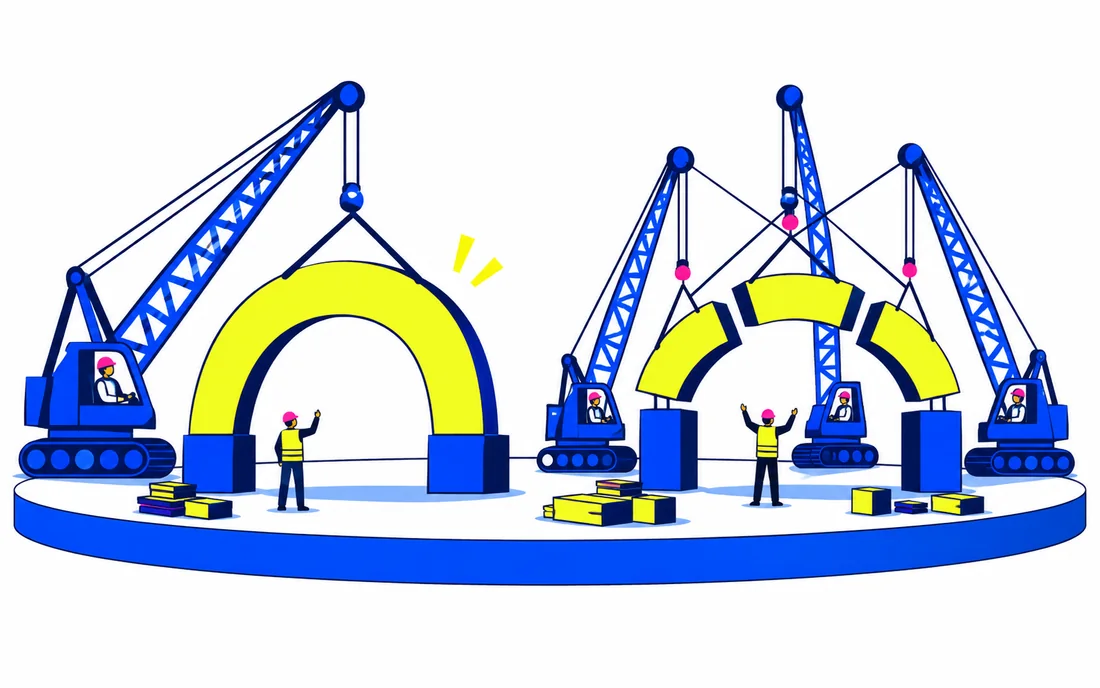
A single agent keeps decisions and context in one loop. Multiple agents can divide separable investigations, but someone or something must reconcile their outputs. Anthropic’s account of its research system is a useful implementation example, not proof that every task benefits from additional agents.
Measure the overhead
Compare completed task quality, elapsed time, total model usage and reconciliation errors. Look for duplicated searches, conflicting assumptions and conclusions that lose their supporting sources when merged. Parallel execution can reduce waiting while increasing total resource use.
Choose a clear division
Use multiple agents only when responsibilities can be bounded and their outputs independently checked. Give the coordinator an explicit acceptance standard. For tightly coupled steps that continually depend on one another, a single well-instrumented workflow may be easier to maintain.
Sources & notes
An editorial decision framework, not a scored benchmark or hands-on test.
anthropic.com — official reference
anthropic.com — official reference
Sources reviewed for the September 2026 launch edition.