
-
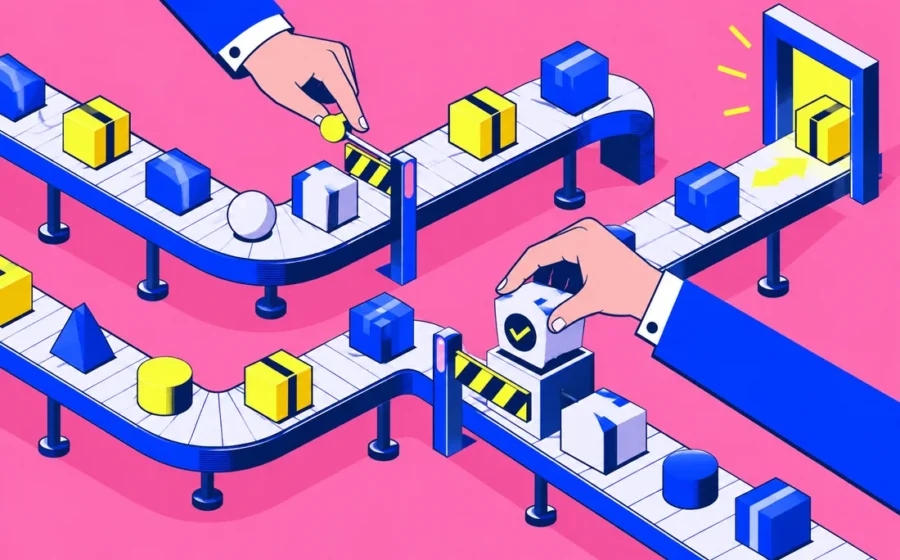
Human oversight: choosing the right approval points
Human oversight works best when it is attached to a clear decision and enough evidence to make that decision.
-

Agent memory: separate stored facts from conversation history
Memory is information retained for later use. It needs rules for relevance, correction and deletion.
-
AI for education: support practice and feedback
AI can make practice and feedback more available while preserving the learner’s need to think.
-
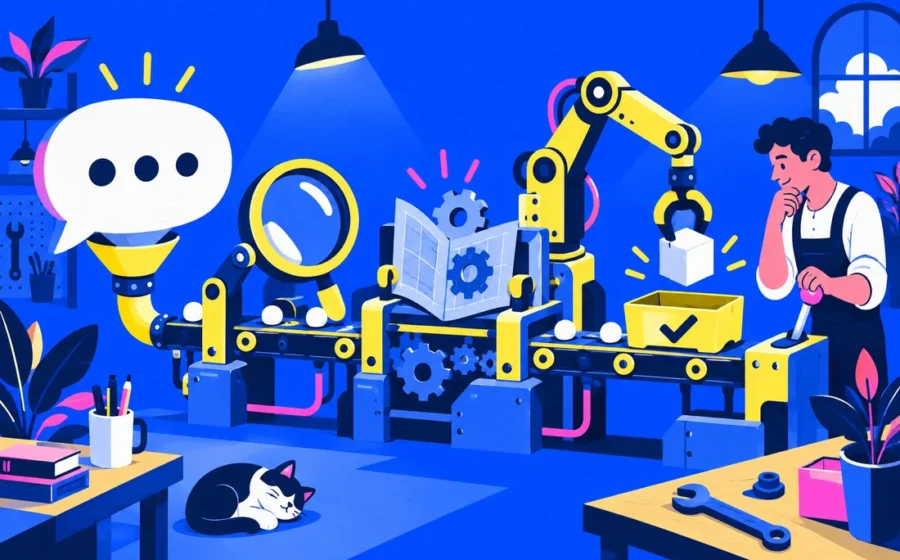
AI agents: from a goal to a completed task
An agent connects an AI model to a loop of decisions, tools and feedback. The important question is what it can safely complete.
-

Multimodal AI: working across text, images and sound
Multimodal AI works with more than one form of information. The useful question is how those forms connect to a task.
-
Multi-agent systems: when collaboration adds value
Several agents can divide independent work, but their coordination has to earn its place.
-
AI literacy: ask better questions about an AI product
AI literacy means knowing which questions to ask about a system’s work and its limits.
-

Large language models: what they actually learn
A language model learns patterns in data. Understanding that mechanism helps explain both its flexibility and its mistakes.
-

Image generation: guide composition before adding detail
A strong image brief starts with the subject, composition and intended use. Extra adjectives cannot rescue an unclear visual idea.
-
Agent handoffs: design a useful transfer of responsibility
A handoff should transfer the current state of the work, including evidence and unresolved decisions.
-
Responsible adoption: start with one measurable pilot
A bounded pilot creates evidence about adoption before a workflow expands.
-

Tokens: the units behind every AI conversation
Tokens are the pieces a model processes. They influence context limits, usage measurement and how text is divided.
INDEPENDENT MINDS. INTELLIGENT COVERAGE.
AI, ONLY. ALL ANGLES.
Learn
Big ideas, clearly explained. Build your understanding of AI one useful question at a time.