
-

Voxtral TTS extends Mistral’s speech stack
The March release expanded Mistral’s speech offering into generated audio.
-
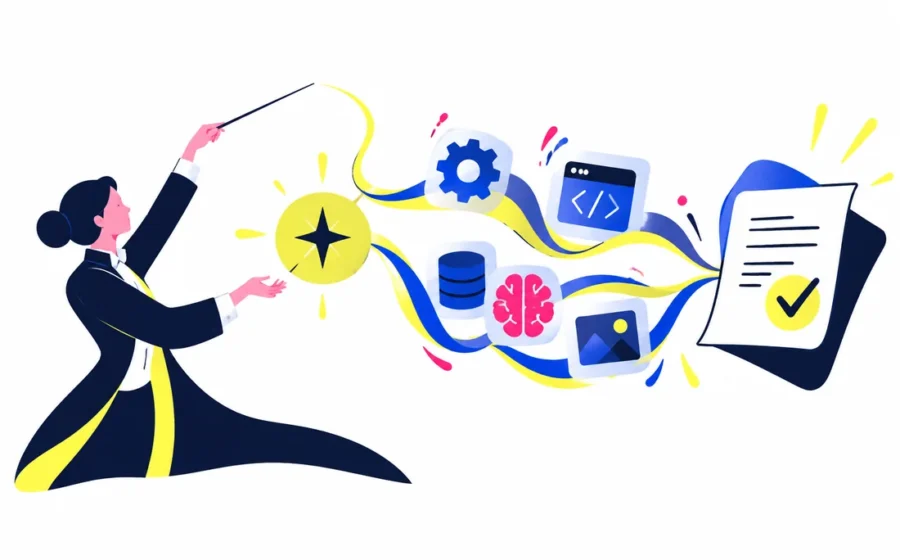
OpenAI’s Agents API puts orchestration in the spotlight
OpenAI’s public beta packages agent orchestration while leaving application-specific tools and environments to developers.
-
Britain’s AI Growth Zones face an infrastructure test
The UK’s Growth Zones policy connects AI capacity with power, planning and local economic aims.
-

Anthropic separates general and trusted access in its 5.1 release
Anthropic is using different safeguards to separate access to two releases built on the same underlying model.
-

Gemini arrives on Windows with desktop ambitions
The desktop app places Gemini behind a keyboard shortcut, with advanced features subject to availability.
-

Microsoft’s education commitment puts AI skills on the agenda
Microsoft’s education statement puts privacy, educator judgement and learning outcomes at the centre of its commitments.
-
AI literacy becomes an organisational planning question
The EU’s current guidance treats AI literacy as an organisational responsibility shaped by the work people do.
-
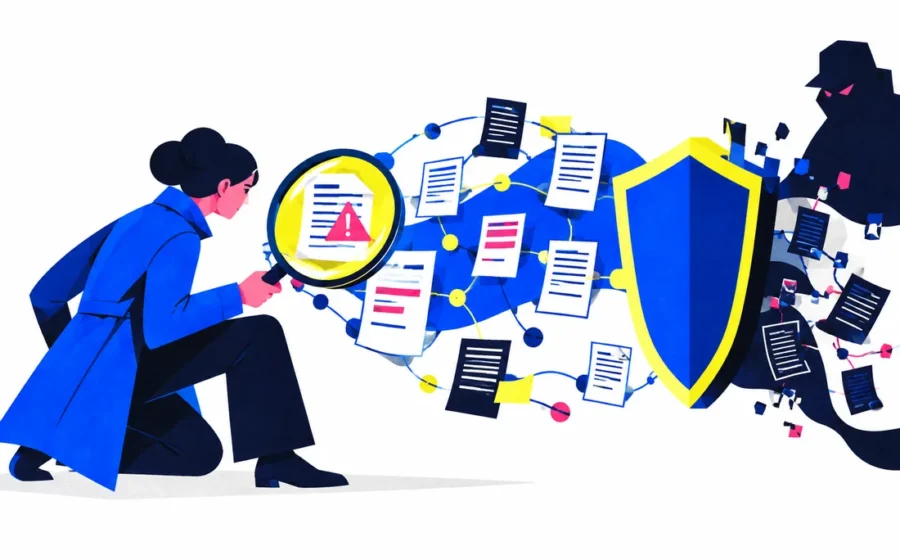
Anthropic’s September threat report puts misuse monitoring in focus
The company’s latest threat report describes disrupted activity and the limits of observing misuse from one platform.
-

Lyria’s latest update raises the music-workflow question
Google’s music-generation update adds more ways to shape a track inside Gemini.
-

Microsoft Marketplace adds an intelligent-discovery layer
Natural-language discovery changes how companies navigate Microsoft’s marketplace of applications and agents.
-
The NIST AI framework remains a useful risk-management lens
NIST’s voluntary framework offers a shared structure for managing AI risks across a system’s life.
-

A model-hardware standard moves into research preview
A research preview aims to give AI systems a more consistent interface to programmable physical equipment.
INDEPENDENT MINDS. INTELLIGENT COVERAGE.
AI, ONLY. ALL ANGLES.
News
The releases, research and policy decisions shaping AI around the world. Original context, with sources you can follow.