
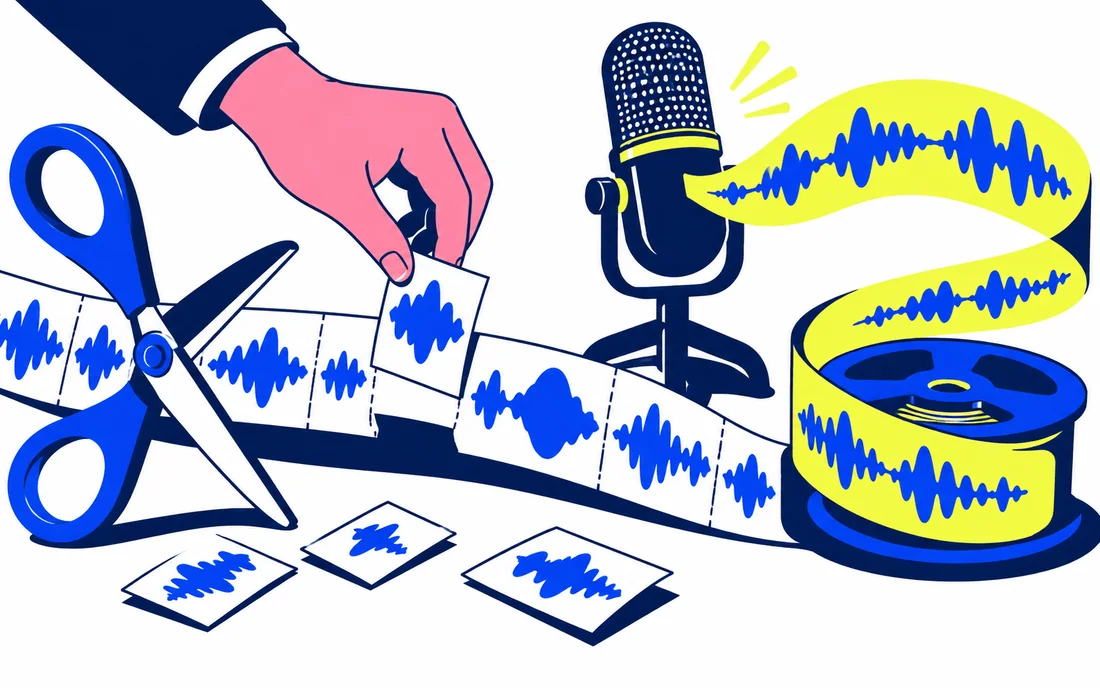
The quick read
- For editing, inspect whether cuts preserve meaning and sound natural.
- Consider how the audio reaches the final video, podcast or lesson, including captions and revisions.
Identify the source material
If you begin with a recording that needs shaping, transcript-based editing may be central. If you begin with a script that needs a voice, synthesis and voice controls may be central. Check current capabilities because both product areas continue to expand.
Use a representative passage
For editing, inspect whether cuts preserve meaning and sound natural. For synthesis, test pronunciation, emphasis and pacing. Include the actual terminology and delivery conditions your project uses rather than a generic sample.
Compare the complete production path
Consider how the audio reaches the final video, podcast or lesson, including captions and revisions. Use authorised voices and verify current usage conditions. The products may complement each other rather than replace one another. Choose based on the step you need to improve and the quality of the final media. A transcript and a synthetic recording are different working materials, so the evaluation should respect those differences.
Sources & notes
An editorial decision framework, not a scored benchmark or hands-on test.
descript.com — official reference
elevenlabs.io — official reference
Sources reviewed for the September 2026 launch edition.