
The quick read
- Before training, collect examples of the behaviour you want and separate some for evaluation.
- Try clear instructions and a few examples first.
What it is for
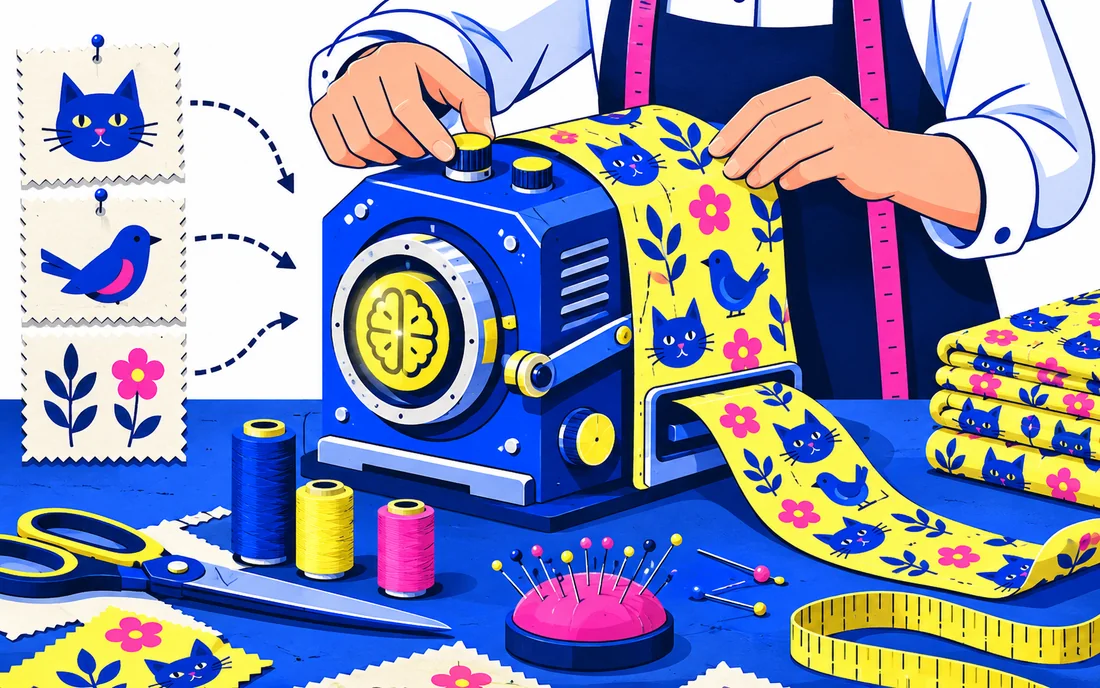
Fine-tuning adjusts an existing model using task-specific examples. It can help produce a consistent format, style or response pattern. It is different from retrieving fresh documents at answer time, and it should not be treated as a reliable way to insert a constantly changing catalogue of facts.
Start with the evidence
Before training, collect examples of the behaviour you want and separate some for evaluation. For an illustrative support classifier, define the categories clearly and include cases where the correct response is ‘needs review’. If people disagree about the labels, resolve that disagreement before teaching it to a model.
Compare with simpler options
Try clear instructions and a few examples first. Then compare any tuned model against that baseline on held-out cases, including unusual inputs. Track whether gains in consistency introduce new mistakes elsewhere. Training data needs the same attention to permission and quality as production data. The decision to fine-tune should follow a measurable gap in an existing workflow, rather than a general desire to make a model feel more customised.
Sources & notes
AI-assisted editorial content checked against the linked sources.
OpenAI: Optimizing model accuracy
Sources reviewed for the September 2026 launch edition.