
-
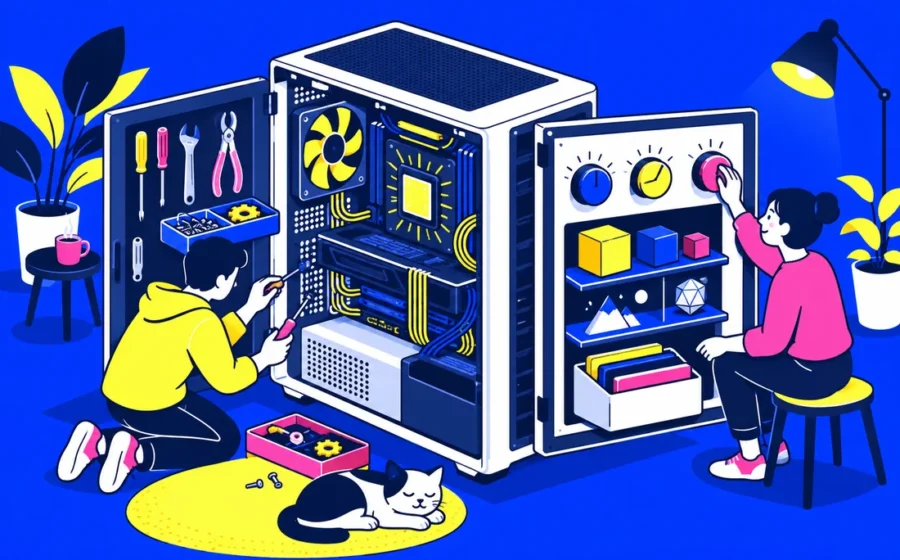
Ollama vs LM Studio: two routes into local AI
Ollama and LM Studio offer routes into local-model work, but the model and configuration remain central to the result.
-
Voice vs text interfaces: fit the interaction to the setting
Voice and text create different demands on attention, privacy and error recovery.
-
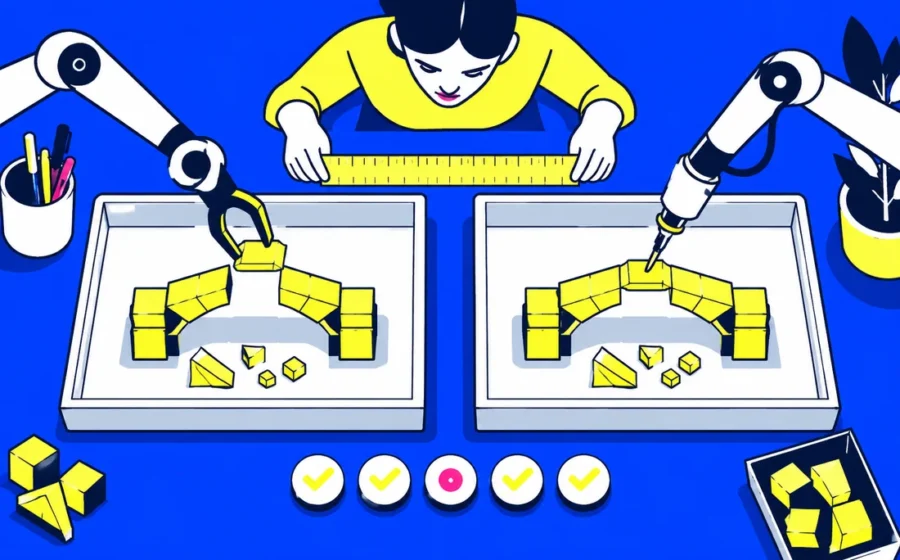
Claude Code vs Codex: compare coding agents on bounded work
Claude Code and Codex are best compared on a completed software task with clear boundaries.
-

DeepL vs an AI assistant: evaluate translation in context
DeepL and a general AI assistant should be compared on meaning, terminology and the surrounding translation workflow.
-
AI avatars vs voiceovers: match format to the audience
A visible presenter and an audio narration serve different editorial purposes.
-

Replit Agent vs Lovable: choose a prototype workflow
Replit Agent and Lovable should be tested through one complete prototype journey.
-
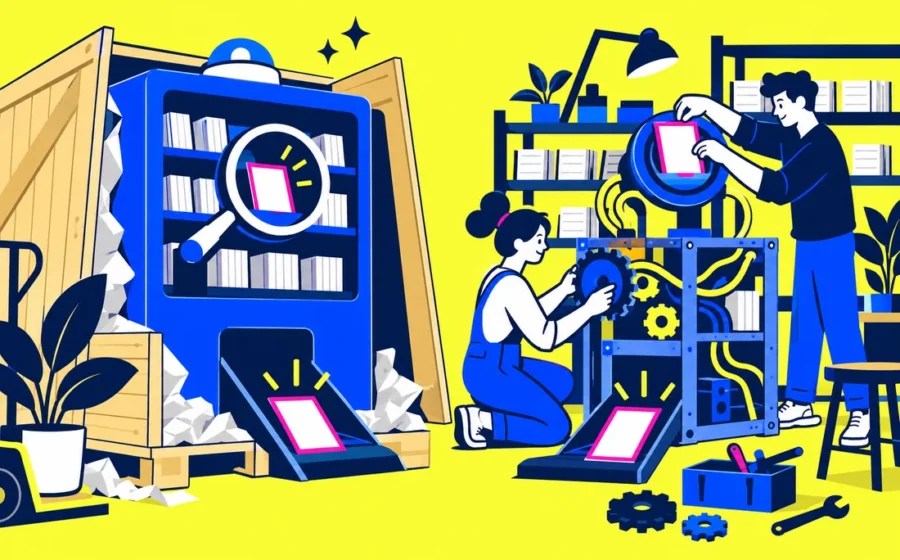
Glean vs a custom knowledge assistant: buy or build retrieval
Choosing Glean or a custom knowledge assistant is a decision about ownership as well as retrieval.
-
Text-to-video vs image-to-video: choose the right starting point
The starting material changes which parts of a video’s appearance you can specify in advance.
-
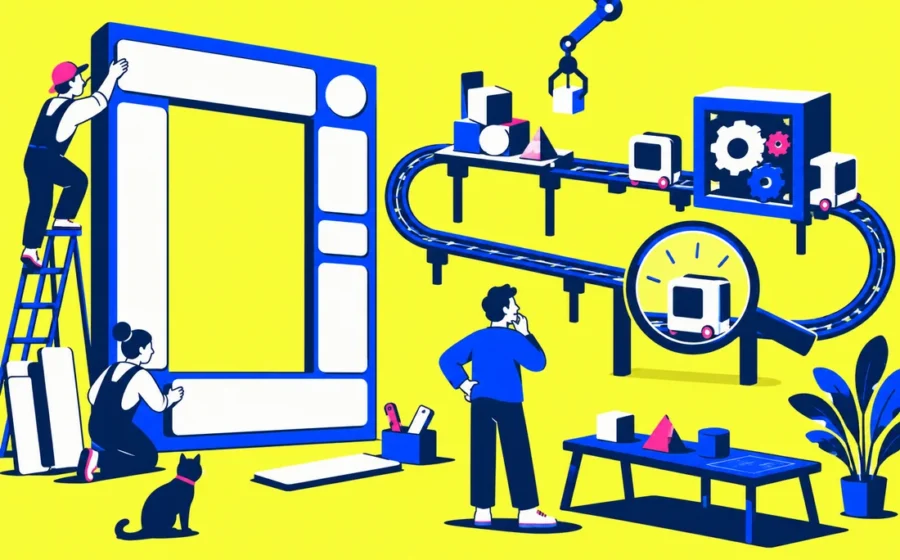
v0 vs Bolt: interface generation or a broader build loop
Compare v0 and Bolt using the same interface requirements and a defined level of functionality.
-

Hosted AI vs local AI: where should the model run?
The deployment decision changes who carries the work of running, updating and governing a model.
-
Reference images vs text prompts: control a visual direction
A reference image can show relationships that are cumbersome to describe, while text can specify what should change.
-

Canva AI vs Adobe Firefly: campaign production or asset creation
Canva AI and Adobe Firefly can sit at different points in a campaign-production workflow.
INDEPENDENT MINDS. INTELLIGENT COVERAGE.
AI, ONLY. ALL ANGLES.
Compare
Same questions. Different answers. Clear decision frameworks for choosing the right AI for your work.