
-

Hosted AI vs local AI: where should the model run?
The deployment decision changes who carries the work of running, updating and governing a model.
-

Open weights vs closed models: compare the responsibilities
Model access is only one part of the responsibility you accept when choosing an AI system.
-

Large vs small models: match capacity to the task
A larger model is not always the most useful place to spend a system’s time and budget.
-

Reasoning vs fast-response models: when the wait is worthwhile
Extra computation is valuable when it improves the decision the application actually needs.
-
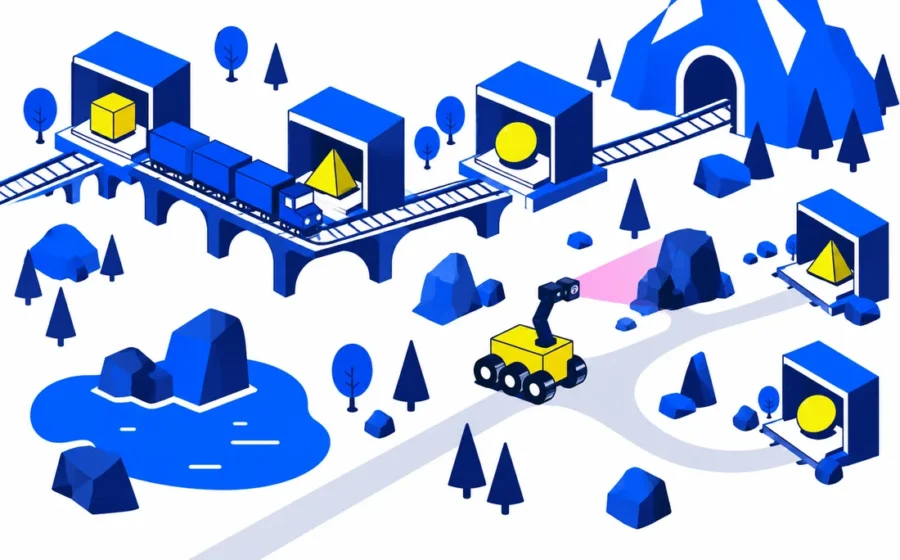
Agents vs fixed workflows: where should decisions happen?
The central question is where your software should allow a model to choose its next step.
-

RAG vs fine-tuning: knowledge access or behavior change?
Retrieval changes what evidence reaches a model; fine-tuning changes aspects of its learned behaviour.
-

Vector vs keyword search: compare retrieval signals
Exact terms and semantic similarity reveal different kinds of relevant material.
-
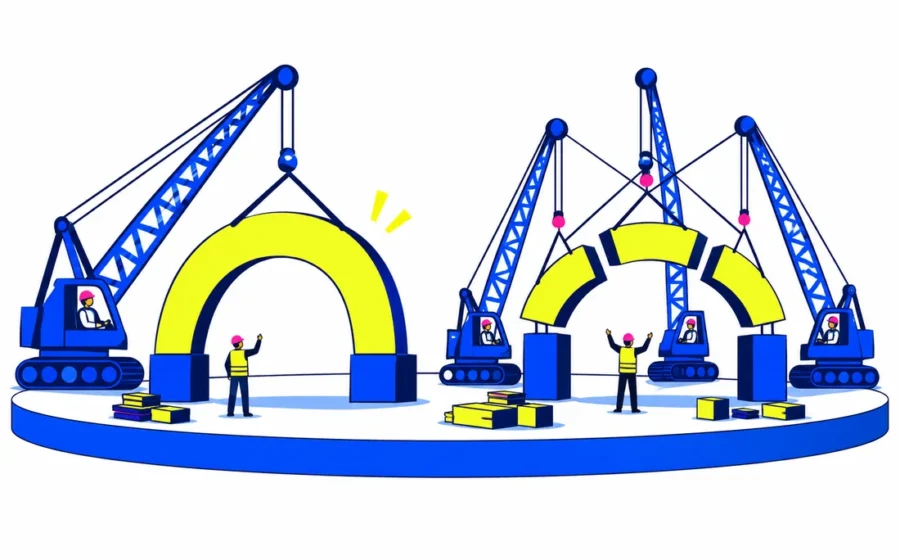
Single-agent vs multi-agent systems: compare coordination costs
More agents create more coordination work as well as more opportunities for parallel exploration.
-
Tool calling vs prompt-only work: when actions need an interface
An action needs a defined interface when it must change something outside the conversation.
-
Long context vs retrieval: choose how evidence reaches the model
A large context window and a retrieval pipeline offer different ways to put evidence in reach.
-
Human review vs autonomous execution: choose by consequence
The consequence of a mistake should influence how much authority an AI workflow receives.
-
Structured output vs free text: choose the right contract
A machine-readable contract can simplify integration, but it does not make the content true.
INDEPENDENT MINDS. INTELLIGENT COVERAGE.
AI, ONLY. ALL ANGLES.