
-
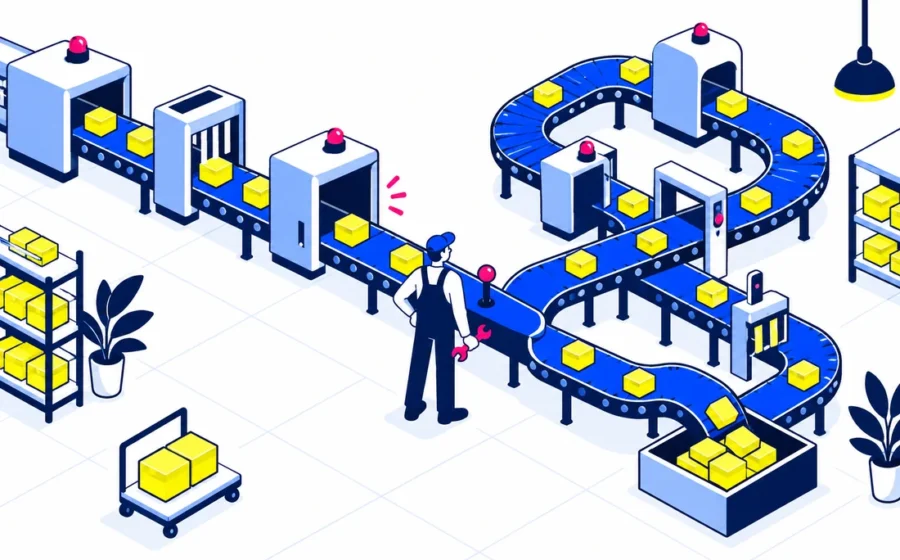
Zapier vs Make: choose an AI automation approach
Compare Zapier and Make around the automation you need and the person who will maintain it.
-

Notion AI vs Coda AI: knowledge workspace or structured document
Notion AI and Coda AI should be compared through the way your team organises information.
-

Suno vs Udio: compare a music-generation workflow
Compare Suno and Udio through a defined musical purpose and the current path to a usable output.
-
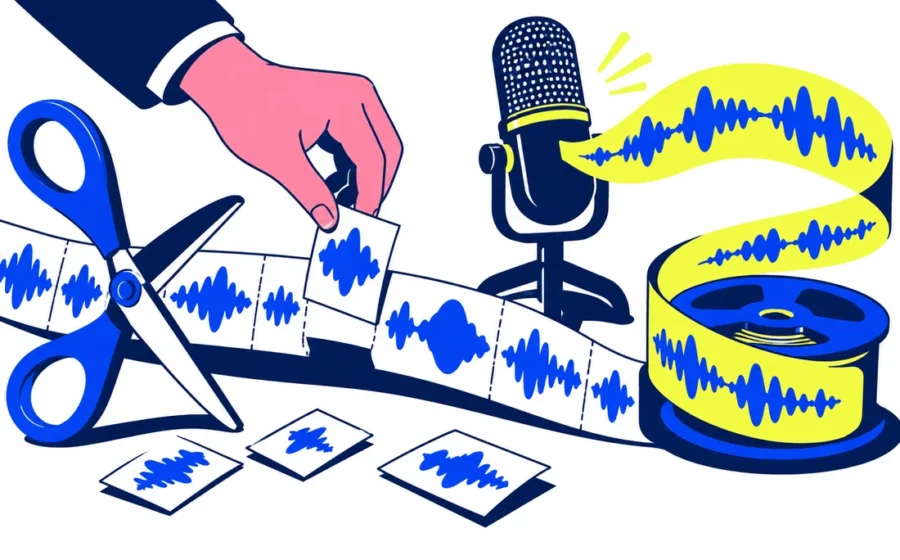
Descript vs ElevenLabs: transcript editing or voice production
Descript and ElevenLabs address overlapping audio work from different starting points.
-

HeyGen vs Synthesia: evaluate presenter-led video
HeyGen and Synthesia should be tested with the same presenter-led message and audience.
-

Runway vs Luma: choose around the shot you need
Runway and Luma should be compared around the shot you need, including continuity and editing requirements.
-

Recraft vs Leonardo: compare illustration workflows
Evaluate Recraft and Leonardo as ways to build a coherent illustration family.
-

Midjourney vs Ideogram: evaluate image style and lettering
Compare Midjourney and Ideogram with a brief that makes visual style and lettering requirements explicit.
-

Canva AI vs Adobe Firefly: campaign production or asset creation
Canva AI and Adobe Firefly can sit at different points in a campaign-production workflow.
-

v0 vs Bolt: interface generation or a broader build loop
Compare v0 and Bolt using the same interface requirements and a defined level of functionality.
-

Replit Agent vs Lovable: choose a prototype workflow
Replit Agent and Lovable should be tested through one complete prototype journey.
-
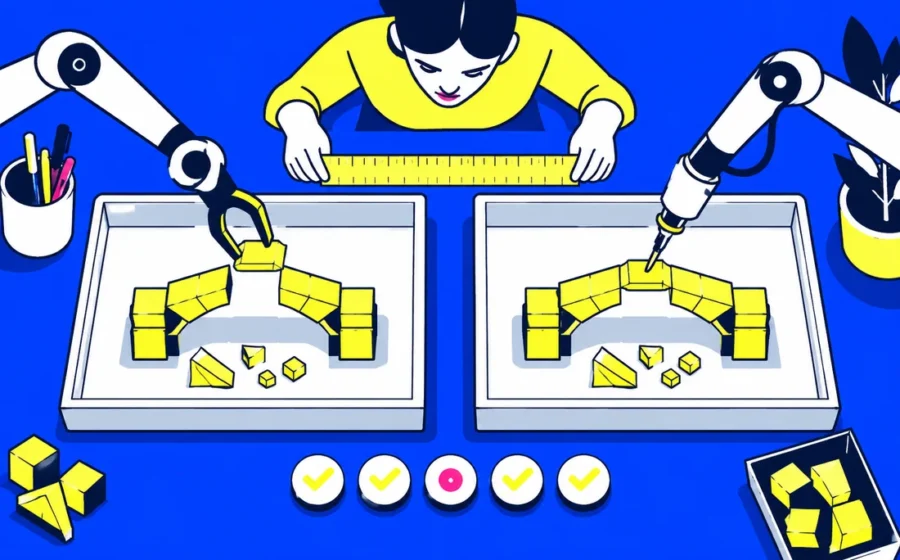
Claude Code vs Codex: compare coding agents on bounded work
Claude Code and Codex are best compared on a completed software task with clear boundaries.
INDEPENDENT MINDS. INTELLIGENT COVERAGE.
AI, ONLY. ALL ANGLES.