
-

Codex: plan a reviewable software change
A useful Codex task ends with a change someone can review and a clear account of what was checked.
-

Claude Code: scope a coding agent to a concrete task
Claude Code works best with a concrete software objective, an explicit scope and a reviewable result.
-

Cursor: review an AI-assisted code change with context
Cursor is easier to evaluate when the task ends in a small, inspectable code change.
-

Gemini Notebook (formerly NotebookLM): organise a source-based briefing
Google’s renamed research product still benefits from a carefully selected source collection.
-
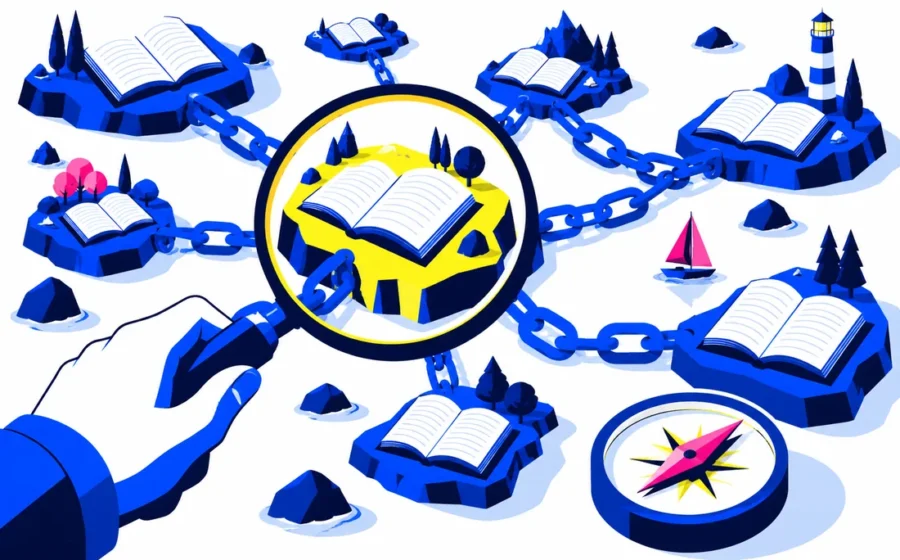
Perplexity: explore a topic through linked sources
Perplexity can help open a research trail. Follow its links before relying on the answer.
-

Microsoft Copilot: start with a defined workplace task
Start Microsoft Copilot with one workplace task and the information that task actually requires.
-

Gemini: connect multimodal work to a clear question
Give Gemini one clear question when combining text, images or other supported inputs.
-

Claude: turn a long document into a structured review
A long-document review becomes more useful when Claude has a precise question and a consistent output structure.
-

ChatGPT: build a research-to-draft workflow
Use ChatGPT to organise evidence before asking it to turn that evidence into a finished draft.
-
The NIST AI framework remains a useful risk-management lens
NIST’s voluntary framework offers a shared structure for managing AI risks across a system’s life.
-
AI literacy becomes an organisational planning question
The EU’s current guidance treats AI literacy as an organisational responsibility shaped by the work people do.
-
Britain’s AI Growth Zones face an infrastructure test
The UK’s Growth Zones policy connects AI capacity with power, planning and local economic aims.
INDEPENDENT MINDS. INTELLIGENT COVERAGE.
AI, ONLY. ALL ANGLES.